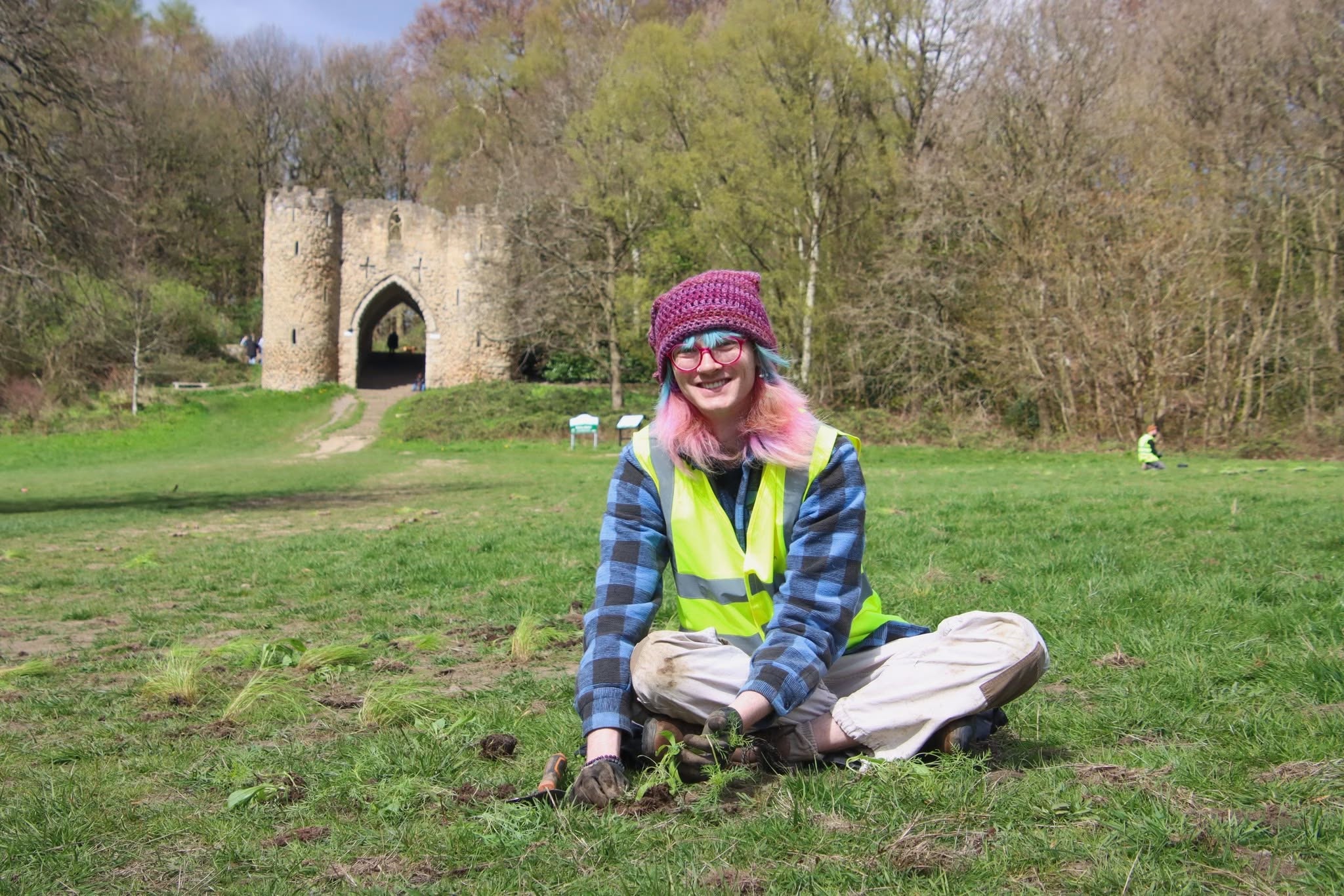
More than 1,000 adults and children have got involved to create new Wild Spaces for butterflies, moths and other wildlife across Leeds.
This summer, more than 570 members of public, 300 school children and 30 volunteers have engaged with the Leeds Wild Spaces project.
The partnership between national charity Butterfly Conservation and Leeds City Council has created seven new wildflower meadow areas in public parks and handed out hundreds of packs for people to create their own Wild Spaces at home.
The project has now reached the end of its funding, but the team are hoping to keep its legacy alive.
Butterfly Conservation’s Leeds Wild Spaces project officer Josh Shaw said: “It has been so great to work on the Leeds Wild Spaces project and work with our amazing volunteers. In a short space of time we have managed to create some lovely meadows and we have already seen many exciting species appearing this summer.
“Leeds City Council and Friends of Parks groups have been essential in helping the project succeed alongside Butterfly Conservation’s Yorkshire Branch, so thank you to everyone involved. It has been lovely to engage with so many enthusiastic people across the city who want to see butterflies and moths across Leeds for years to come.”
The Leeds Wild Spaces project launched in 2024, funded by West Yorkshire Combined Authority’s Community Climate Grants programme, Butterfly Conservation’s Yorkshire Branch, the Hiscox Foundation and the Peter Sowerby Foundation.
It was part of Butterfly Conservation’s nationwide Wild Spaces programme, which aims to help people create places for wildlife and connect with nature. The scheme particularly aims to engage new audiences such as young people and people in towns and cities.
Over the past 18 months, the Leeds team created new wildflower meadow areas at seven council-owned green spaces – Roundhay Park, Temple Newsam, Woodhouse Moor, Hunslet Moor, Rein Park, Middleton Park and Wortley Recreation Ground.
At each site, the ground had to be prepared by removing existing plants either by tractor or by hand, then scattering seeds and planting seedings of plants used by native butterfly and moth species.
Josh said: “Local community members and groups were really essential in the creation of our meadows, supporting sowing and providing great local connections. At Hunslet Moor Park, we were supported by people of all ages and backgrounds who simply wanted to help create a nice space in their local community.”
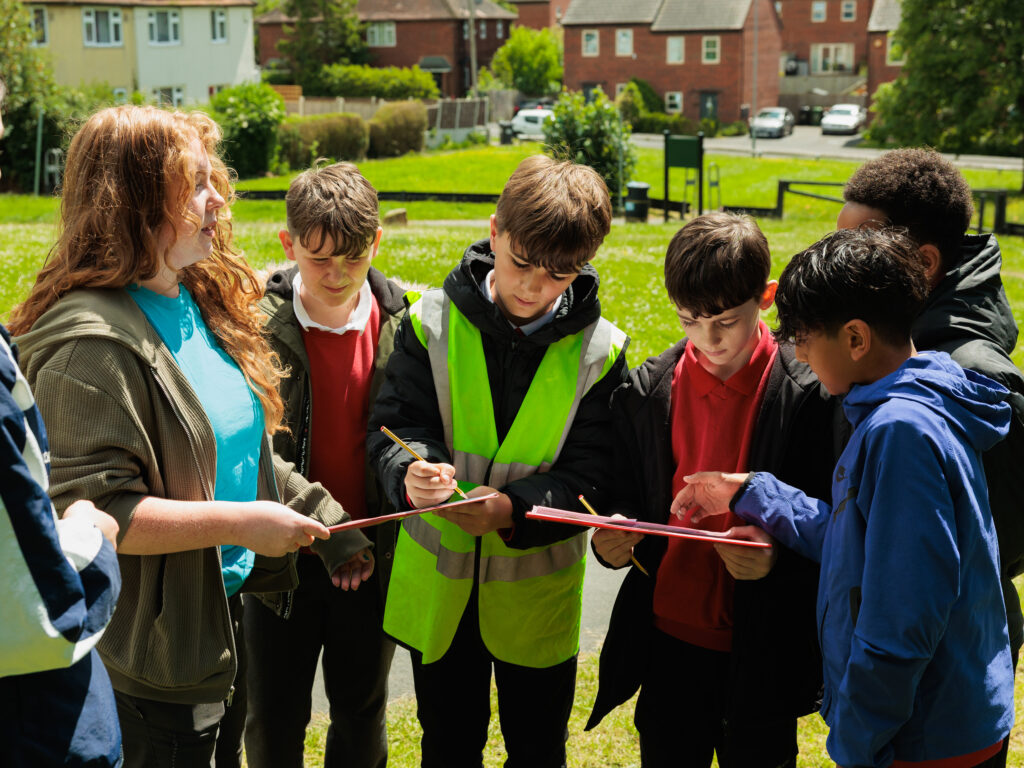
Josh also hosted or attended more than 30 engagement events including school workshops, butterfly and moth identification training classes and community activities.
One participant commented: “It was a beautiful evening in a beautiful location. Josh was a very good communicator and gave just the right amount of information with details about how to access more in depth information if we wished. I also found the leaflets very interesting and helpful, too.”
One primary school teacher said: “It helped [our pupils] learn more deeply about science and helped bring some awe and wonder to science as well. The children were enthused after their sessions.”
Some 76% of participants said they planned to attend more Butterfly Conservation events or create a Wild Space at home, and 85% said they wanted to learn more about butterflies and moths.
A total of 36 volunteers helped with practical work and engaging the public, picking up new skills along the way.
Most importantly of all, the team have already recorded numerous butterflies and moths at the new meadow sites including unusual species including the Antler moth and Yellow Shell, alongside a wide range of other wildlife such as grasshoppers, beetles, birds and bees. They now confidently expect the number of species to increase each year as the Wild Spaces mature.
Butterfly Conservation has also designed a long-term management plan for the Wild Spaces with Leeds City Council, ensuring the project’s legacy.


