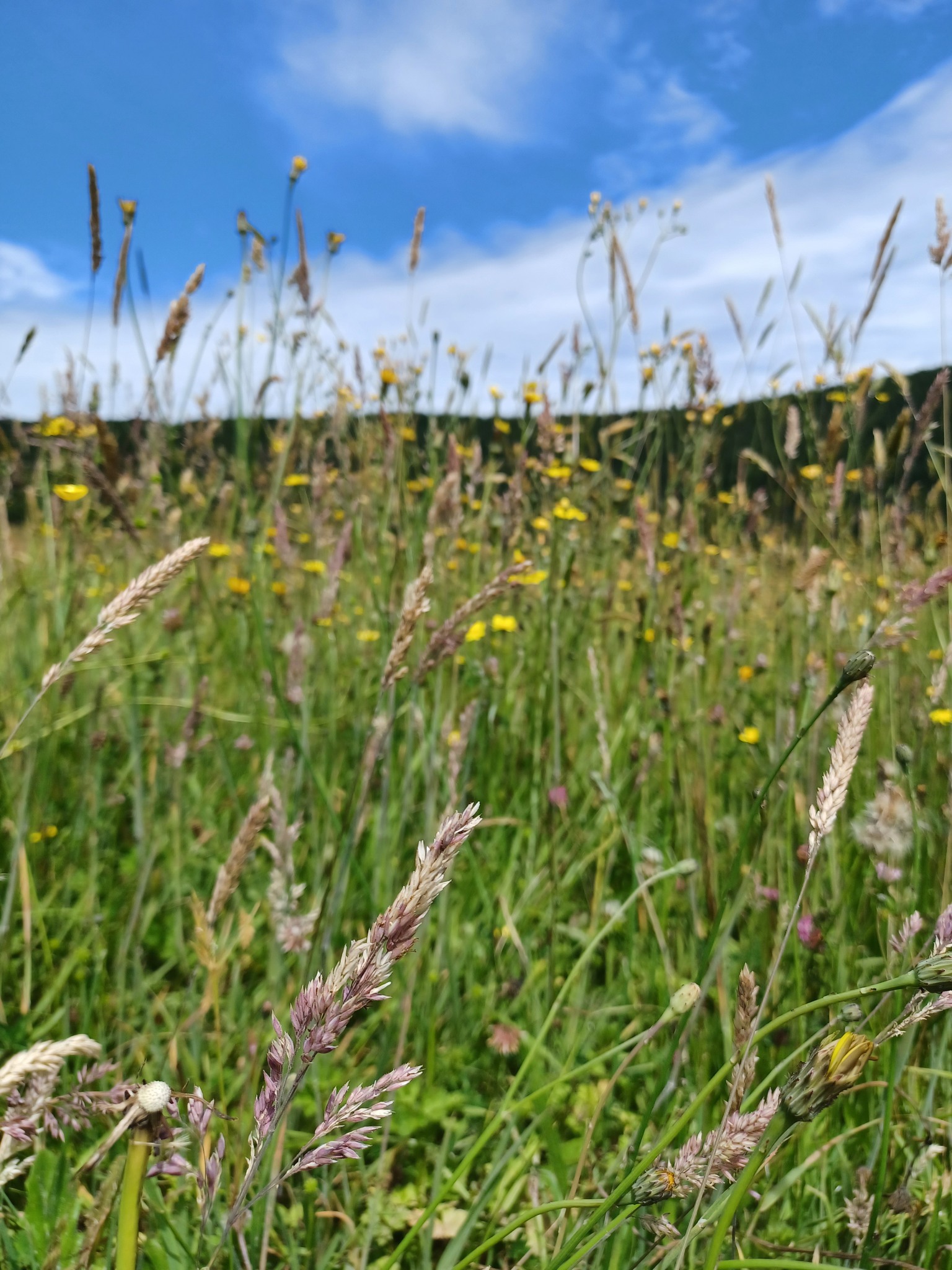
As part of our Leeds Wild Spaces project, we’re working in partnership with Leeds City Council to create meadows across Leeds.
What is a meadow?
Meadows used to be a common sight across the UK, but sadly since the 1930s over 97% of wildflower meadows have been lost. Thankfully organisations, communities and councils across the UK are working hard to reverse this trend, and the appetite for their creation is growing.
Meadows can come in all shapes and sizes from the smallest gardens to fields or community parks and there are different types too! Lowland neutral meadows, floodplain meadows, upland hay meadows and more!
Why are meadows important?
Meadows are incredibly important for our native wildlife:
And that’s not all…. The insects that benefit from meadows are also vitally important sources of food for our much-loved birds, bats and other animals. Meadows also provide habitat and shelter for small mammals.
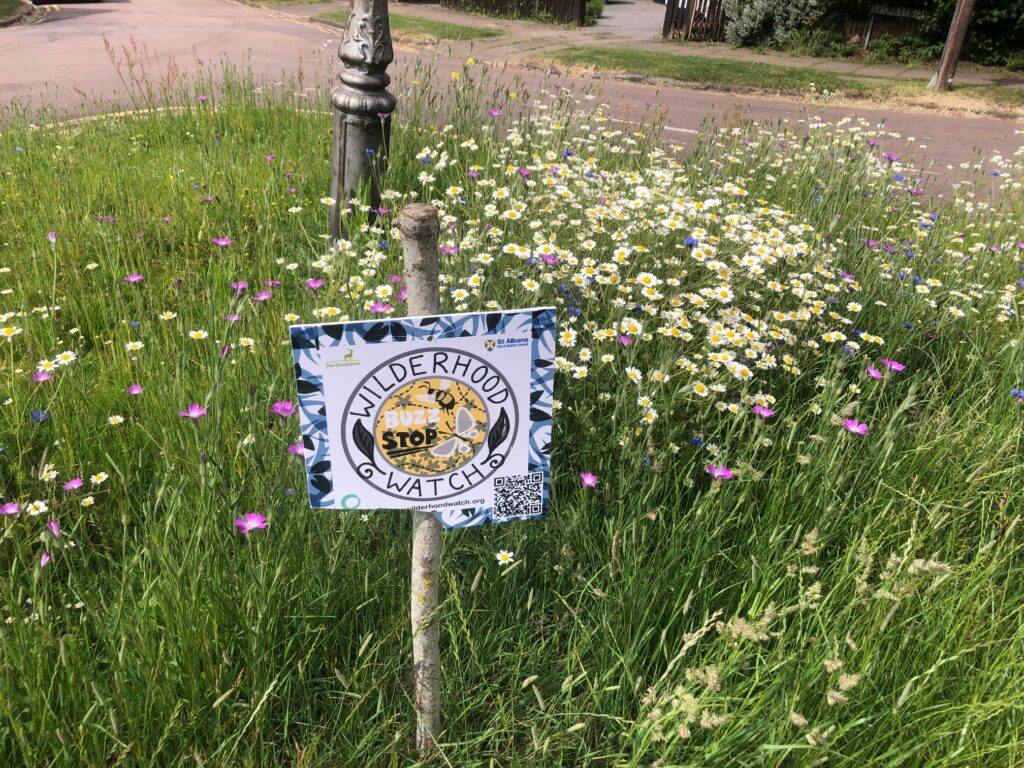
Meadows are also incredibly important for people- they help store carbon and provide wellbeing benefits. Looking at a flower like oxeye daisy for just six seconds has been shown to lower your blood pressure.
Why does Butterfly Conservation care about meadows?
Meadows have all three of the things butterflies, moths and other pollinators need to complete their lifecycle: space to ‘feed, breed and shelter’.
The native plants provide nectar-rich plants for adults to feed, plants for caterpillars to munch on and shelter.
Even just long grass is beneficial — the caterpillars of Meadow Brown and Gatekeeper butterflies prefer to feed on a range of fine grasses, so called because of their slim blades and thin stalks.
Where can I visit the new Meadows in Leeds?
We are currently making the meadows in the following parks across Leeds:
What types of plants will grow in these meadows?
We have used native seed mixes:
Can I get involved in helping create and manage the meadows in Leeds?
We’re welcoming local community involvement in this project. Please email wildspaces@butterfly-conservation.org.
Can I make a meadow at home?
No matter the size of the space you can make your own mini meadow:
Where can I learn more about Meadows?


