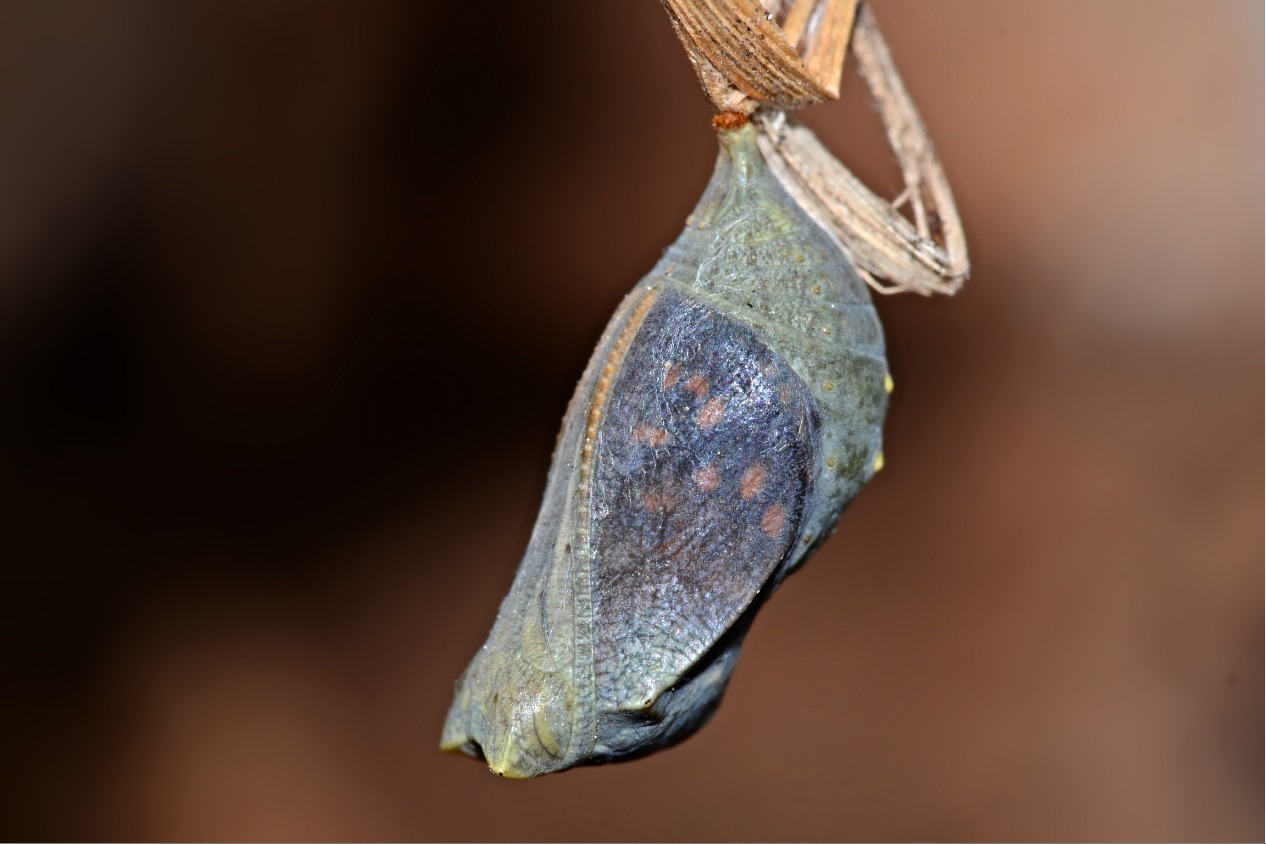
It can be tempting to use the winter months to do a complete tidy up of your Wild Space as things seem quiet with nature. But if you take closer look, there is life hiding and sheltering in the most extraordinary places!
Beneath dead leaves and old stems, butterflies and moths at different stages of their lifecycles can be found huddling against the cold and the wet. Discover how you can protect these vital winter homes – and sometimes, that means doing nothing at all!
Give me shelter….
This is a really important time of year for butterflies and moths as they use it to rest and shelter so they can make it through the winter.
If you are lucky enough to have a garden with a hedge it’s important to remember them as a vital habitat. Many butterfly and moth species live inside our hedges as this is a popular place for adults to lay their eggs. Leaving your hedge unpruned is a great way to keep our species safe. Instead of trimming them each year, leave them be for a year or two and trim them on rotation – these are the best alternatives to maintain your hedge without wiping out a whole generation of insects.
A range of different caterpillar species live tucked away within the leaves, so to rake and dispose of them – or even burn – would mean killing them! Elephant Hawk-moths for example, can be found tucked away under crinkly leaves.. If you must clear up your leaves you can pile them up somewhere else, like less visited or quieter areas of your garden.
Some insects might also be chilling out during winter months using plant stems. Some of these can be tricky to spot – such as an Orange-Tip chrysalis for example! Leaving plant stems uncut means we disturb nature that little bit less so more generations of butterflies and moths can delight us with their sightings come the spring.
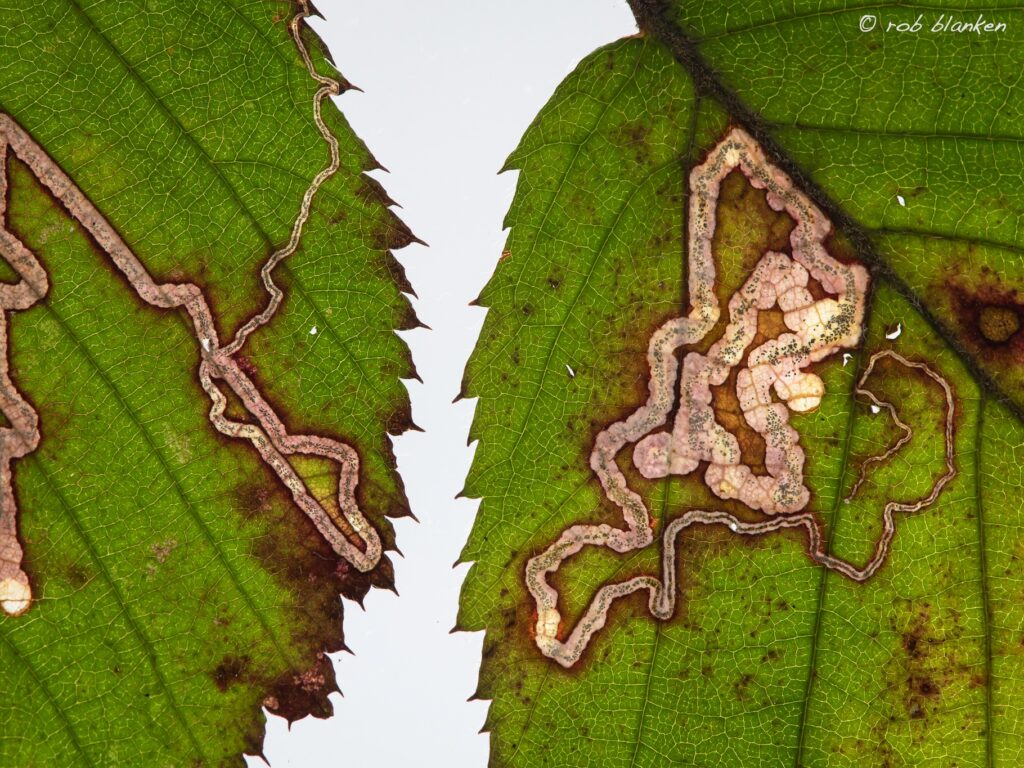
Things that go bump in the night…
The dark evenings can be a really tricky time for everyone, but it can be a great time to find out more about species that need the darkness – a habitat in its own right. You can find out more here https://wild-spaces.co.uk/lighting-in-your-wild-space/
You could use the longer evenings to learn more about how to identify butterflies and moths, for complete beginners our Discover and Learn pages is an excellent tool https://butterfly-conservation.org/discover-and-learn and our YouTube page is full of excellent informative videos https://www.youtube.com/@savebutterflies


